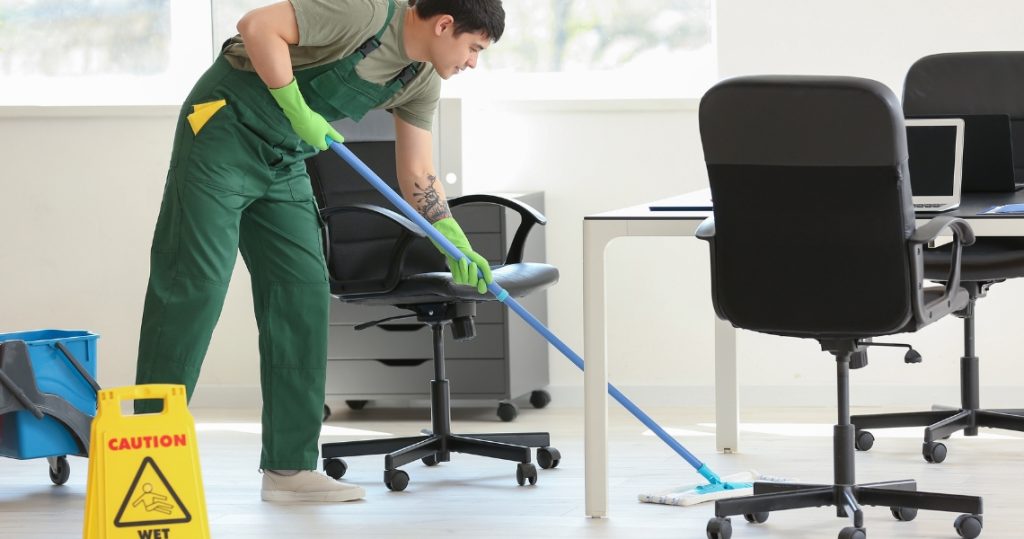
Office cleaning
Office cleaning refers to the regular maintenance and cleaning of office spaces to ensure a clean, organized, and hygienic working environment. It plays a critical role in the health and productivity of employees, as well as in creating a professional and welcoming atmosphere for clients and visitors.
Key Areas of Office Cleaning
Workstations and Desks:
- Surface Cleaning: Desks, chairs, and other furniture are wiped down to remove dust, dirt, and germs. Computers, phones, and other office equipment are cleaned, especially keyboards, mouse devices, and screens.
- Trash Removal: Emptying trash cans, recycling bins, and disposing of unwanted papers, food wrappers, and other office waste.
- Organization: Some office cleaning services may assist with light organizing or tidying of workspaces, such as sorting paperwork or putting office supplies back in place.
Common Areas:
- Reception Areas: Cleaning of lobbies and reception areas, including dusting furniture, cleaning glass surfaces, and vacuuming or mopping the floors.
- Break Rooms/Kitchens: Cleaning and sanitizing countertops, sinks, refrigerators, microwaves, and other kitchen appliances. Emptying trash cans, wiping down tables, and ensuring the area is stocked with essentials.
- Restrooms: Disinfecting and cleaning toilets, sinks, mirrors, and floors. Replenishing toilet paper, paper towels, and soap dispensers.
- Meeting Rooms: Ensuring that conference rooms and meeting spaces are clean, including wiping down tables, chairs, and tech equipment (like projectors, screens, and telephones).
Floors:
- Carpet Cleaning: Regular vacuuming and periodic deep cleaning or steam cleaning to remove dirt, dust, and stains. Carpeted offices may also require deodorizing to maintain freshness.
- Hard Floor Surfaces: Mopping, buffing, and waxing hardwood, tile, or vinyl flooring to keep surfaces shiny, clean, and free from spills or stains.
Windows and Glass Surfaces:
- Window Cleaning: Dusting and washing windows, both inside and out, as well as cleaning glass partitions and doors.
- Glass Doors: Ensuring that glass doors and office partitions are free from smudges and fingerprints.
Air Quality and Ventilation:
- Air Ducts and Vents: Cleaning air vents and air conditioning units to prevent the buildup of dust and allergens.
- Indoor Plants: Dusting plants and ensuring they are healthy and well-maintained.
Specialized Areas:
- IT Equipment: Careful cleaning of electronics, including computers, monitors, printers, copiers, and telephones, using appropriate cleaners to avoid damage.
- Floors and Carpets: Depending on the office type, floors might need specialized care such as steam cleaning for carpets or buffing/waxing for hard surfaces.
Methods of Office Cleaning
Daily Cleaning Tasks:
- Light dusting and surface wiping of desks, tables, and counters.
- Vacuuming high-traffic areas to prevent dirt buildup.
- Trash removal from all office areas, including bathrooms and kitchens.
Weekly/Periodic Cleaning Tasks:
- Deep cleaning of carpets (like steam cleaning or shampooing) to remove dirt and stains.
- Window cleaning for interior and exterior windows, depending on accessibility.
- Disinfection of high-touch surfaces such as door handles, light switches, and remote controls.
Seasonal or As-Needed Cleaning:
- Deep cleaning of HVAC systems, including ducts and vents.
- Stripping and waxing of floors, particularly in areas with tile or vinyl flooring.
- Furniture cleaning to remove stains, dust, or debris that may have accumulated over time.
Benefits of Office Cleaning
Health and Hygiene:
- A clean office reduces the spread of germs and bacteria, leading to fewer sick days and healthier employees.
- Regular cleaning of shared spaces, restrooms, and kitchen areas helps maintain sanitation standards, reducing the risk of foodborne illnesses and contamination.
Improved Productivity:
- A clean, organized workspace contributes to a more focused and less stressful work environment.
- Employees are more likely to feel motivated and comfortable in a well-maintained office.
Professional Image:
- A spotless office creates a positive impression for visitors, clients, and potential business partners.
- Cleanliness is often associated with professionalism, attention to detail, and the overall image of the company.
Maintenance of Equipment:
- Regular cleaning and upkeep of office equipment, like computers, printers, and furniture, can extend their life and keep them functioning optimally.
- Regular dusting prevents dust from accumulating inside machines, which could lead to overheating or malfunctioning.
Aesthetic Appeal:
- A clean office is visually appealing, with polished floors, sparkling windows, and clutter-free desks, creating a more pleasant working environment.
Office Cleaning Frequency
- Daily Cleaning: Most common for general office maintenance, including surface wiping, trash removal, and vacuuming of high-traffic areas.
- Weekly Cleaning: More thorough cleaning, including deeper vacuuming, floor mopping, dusting, and cleaning of common areas like break rooms and kitchens.
- Monthly or Seasonal Cleaning: Tasks like carpet steam cleaning, deep cleaning of restrooms, window washing, and disinfecting HVAC systems.
Office Cleaning Tools and Equipment
- Vacuum Cleaners: For cleaning carpets and rugs, as well as hard floors.
- Mops and Brooms: To clean tile, vinyl, and other hard floor surfaces.
- Microfiber Cloths: For dusting and wiping down surfaces, particularly for electronics.
- Disinfectants and Surface Cleaners: To kill germs and sanitize surfaces, especially in high-touch areas.
- Trash Bags: For collecting office waste and recyclables.
- Floor Buffers: For polishing and maintaining floors in larger office spaces with hard floors.
Types of Office Cleaning Services
- Commercial Cleaning Companies: These companies offer a range of cleaning services tailored to office environments. They typically provide daily, weekly, or customized cleaning schedules.
- In-House Cleaning Teams: Some larger organizations may employ their own cleaning staff to handle the daily upkeep of the office.
- Specialized Services: Companies may also require specialized cleaning, such as cleaning after construction or renovation, or deep cleaning after an event.
Sustainability in Office Cleaning
Many offices are adopting eco-friendly or green cleaning practices, which include:
- Using biodegradable cleaning products that are free from harmful chemicals.
- Recycling and ensuring that office waste is disposed of properly.
- Energy-efficient lighting and equipment to reduce the environmental impact of cleaning.
- Using microfiber cloths and reusable cleaning tools to reduce waste.
Office cleaning is more than just maintaining a tidy space; it contributes directly to employee health, productivity, and morale, while also projecting a professional image to clients and visitors. Whether performed by in-house staff or outsourced to cleaning companies, regular and thorough cleaning helps ensure that office spaces remain hygienic, safe, and welcoming.