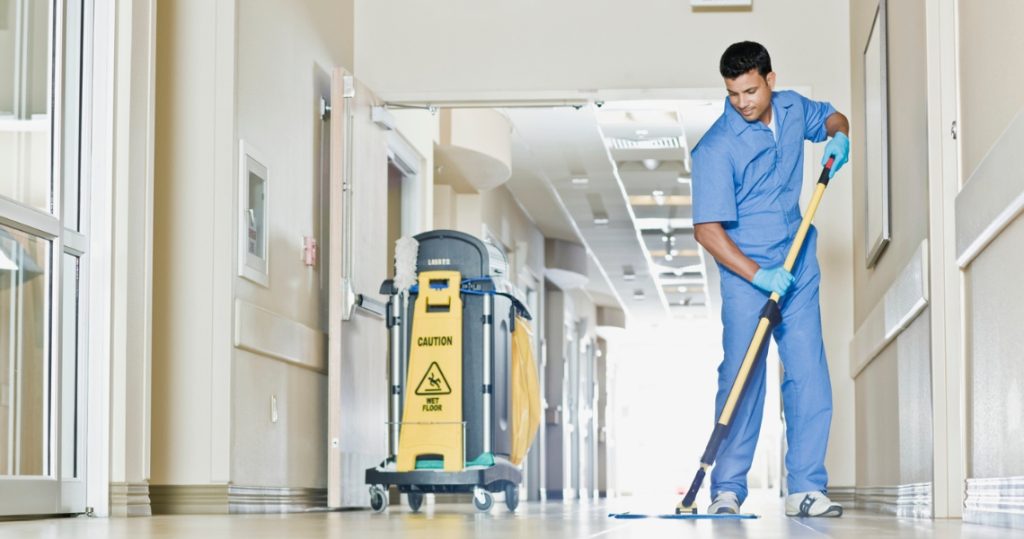
Hospital cleaning
Hospital cleaning is a specialized field that requires rigorous standards to maintain a sterile and safe environment. It’s crucial not only for patient safety but also for infection prevention and overall hospital hygiene. Below is an overview of hospital cleaning practices, essential tasks, and best practices for ensuring cleanliness and infection control.
Hospital Cleaning Guidelines:
Understanding Infection Control:
- Hospitals are high-risk environments for infections, so cleaning must follow strict protocols.
- Hand hygiene is the most important step before and after cleaning any hospital area. Cleaners must wash their hands or use hand sanitizer frequently.
- Personal protective equipment (PPE) like gloves, masks, gowns, and sometimes face shields, should be worn to minimize the spread of pathogens.
Cleaning Equipment and Supplies:
- Disinfectants: Use hospital-grade disinfectants that are effective against bacteria, viruses, and fungi, including MRSA, C. difficile, and Norovirus.
- Cleaning Tools: Dedicated cleaning cloths (preferably microfiber), mops, buckets, and vacuum cleaners should be used specifically for hospital settings. Disinfect cleaning tools between uses.
- Disposable Items: Where possible, disposable wipes, mop heads, and cleaning cloths are often preferred to prevent cross-contamination.
Surface Cleaning and Disinfection:
- High-touch areas: Pay special attention to high-touch surfaces such as door handles, light switches, bed rails, call buttons, remote controls, faucets, and medical equipment. These areas are the most likely to harbor pathogens.
- Regular disinfection: Surfaces that may be exposed to bodily fluids (like countertops, bed rails, and sinks) should be cleaned and disinfected regularly (at least once per shift).
- Patient rooms: Clean patient rooms thoroughly after each patient is discharged. This includes disinfecting all surfaces, floors, and any medical equipment used in the room.
Cleaning Protocols for Different Hospital Areas:
Patient Rooms:
- Daily cleaning includes wiping down all hard surfaces, cleaning the floor, and changing linens.
- Bed linens and curtains must be changed regularly and when soiled.
- Bathrooms should be disinfected daily, including toilets, sinks, faucets, and the floors. Focus on high-touch areas like toilet handles and soap dispensers.
Operating Rooms:
- Terminal cleaning (deep cleaning after a procedure) is crucial in operating rooms. This includes thorough disinfection of all surfaces, instruments, and floors.
- Air quality is critical, so air filtration systems (like HEPA filters) must be maintained.
- Surgical drapes and masks should be disposed of according to hospital protocol.
Emergency Rooms (ER):
- High traffic means higher cleaning frequency. ER rooms need frequent cleaning of surfaces like countertops, beds, waiting areas, and bathrooms.
- Blood spills should be cleaned immediately with a disinfectant solution, followed by a second wipe to ensure contamination is minimized.
Restrooms:
- Hospital restrooms should be cleaned frequently throughout the day, with extra focus on high-touch areas (e.g., faucet handles, toilet flush handles, and door handles).
- Proper disposal of waste and ensuring that toilet paper, soap, and hand sanitizer are stocked is essential.
Best Practices for Hospital Cleaning:
- Effective Communication: Cleaning staff should communicate effectively with medical teams about any issues that arise, such as spills or equipment malfunction.
- Use of the Right Products: Only hospital-grade disinfectants should be used to ensure that they are effective against a wide range of pathogens.
- Proper PPE: Cleaning staff must always wear appropriate protective gear, such as gloves, masks, and gowns, when cleaning in hospital settings.
- Consistency: Hospital cleaning should be a continuous, non-negotiable priority, with cleaning staff maintaining the highest standards at all times.
Hospital cleaning is crucial to infection control and the overall safety of patients, visitors, and staff. Following these practices helps minimize the risk of healthcare-associated infections (HAIs) and ensures a safe, clean environment for everyone involved.
Would you like more details on any specific part of hospital cleaning?